1. Engineering & Metallurgical Taxonomy of Modern Agricultural Rotary Tillers
An Agricultural Rotary Tiller (commonly designated in global agricultural markets as a Tractor Rotavator) is a power-take-off (PTO) driven tractor implement designed to execute primary and secondary tillage in a single operational pass. By utilizing a series of curved blades mounted onto a horizontal rotating shaft, the machine breaks down dense soil clods, incorporates organic green manure, aerates soil horizons, and prepares a seedbed with optimal tilth for planting.
For international procurement directors and agricultural engineering buyers, evaluating a rotary tiller requires looking far beyond exterior sheet metal dimensions. Long-term reliability in high-resistance clay soils or stony terrain hinges on three fundamental core sub-assemblies: drivetrain gear reduction, rotor shaft balance, and blade material chemistry.
Key Technical Insight: Drivetrain Efficiency vs. Fuel Consumption
Engineering testing indicates that precision-cut helical gears in multi-speed side gear drives reduce mechanical horsepower loss by up to 14% compared to straight spur gears or chain drive systems. This torque transfer optimization directly yields a 7% reduction in tractor diesel consumption per hectare tilled.
1.1 Gearbox & Drivetrain Configurations
The gearbox serves as the mechanical heart of the rotary tiller, stepping down tractor PTO speed (typically 540 RPM or 1000 RPM) to the optimal rotor shaft rotation speed (typically 180 RPM to 240 RPM depending on soil compaction and desired tilth seedbed fine-ness).
- Single-Speed Heavy-Duty Gearbox: Engineered for standardized soil conditions. Offers a fixed internal gear ratio, providing high structural rigidity, minimal moving parts, and maximum reliability for rental fleets and entry-level commercial operations.
- Multi-Speed Gearbox (4-Speed / 2-Speed Combinations): Utilizes interchangeable spur or helical crown-and-pinion gear pairs inside an oil-bath housing. Allows operators to adjust rotor speed without altering tractor engine RPM, optimizing fuel burn across sandy loams, heavy black cotton soils, and sticky paddy soils.
- Side Gear Drive vs. Side Chain Drive: High-performance agricultural tillers utilize heavy oil-immersed side gear drives (consisting of 3 precision-machined gears) rather than roller chains. Gear drives handle shock loads up to 45% higher than chain drives without stretching or snapping.
1.2 Metallurgy of Rotary Tiller Blades: Boron vs. High-Carbon Steel
The operational lifespan of a rotary tiller is heavily defined by its soil-engaging components. Industrial manufacturers utilize two primary steel alloys for hot-stamped blades:
| Metallurgical Parameter |
High-Carbon Steel (60Si7 / 65Mn) |
Boron Steel Alloy (28MnB5) |
Engineering Impact on B2B Buyer |
| Chemical Composition |
0.60% C, 1.80% Si, 0.80% Mn |
0.28% C, 1.20% Mn, 0.003% B |
Boron addition enables deeper, uniform hardenability during liquid quenching. |
| Hardness (HRC) |
42 - 46 HRC |
48 - 52 HRC |
Boron steel offers superior resistance to abrasive soil wear without becoming brittle. |
| Impact Resistance (Joules) |
Moderate (Risk of chipping on stones) |
High (Flexural memory under shock) |
Prevents blade snapping when striking subterranean rocks or tree roots. |
| Wear Lifespan (Hectares) |
Baseline (100%) |
+45% to +60% Wear Endurance |
Substantially lowers cost-per-hectare for end-user farmers; reduces warranty returns. |
| Heat Treatment Process |
Conventional Oil Quenching |
Austempering / Controlled Induction |
Ensures dimensional stability across the mounting flange and cutting edge. |
2. Commercial Product Selection & Machinery Recommendation Matrix
To assist global sourcing teams in specifying the correct implement for their regional tractor horsepower distribution, ARS Industries categorizes its production line into four specialized performance classes. Below is our engineering selection matrix for agricultural rotary tillers and complementary equipment.
Heavy-Duty Multi-Speed Tiller (6ft - 8ft)
Designed for high-horsepower tractors operating in challenging agricultural environments. Features multi-speed oil bath gearbox, heavy side gear drive, and 28MnB5 boron steel L-blades.
- Tractor Power: 50 - 90 HP
- Working Depth: 150 - 220 mm
- Blade Type: L-Type / C-Type (Boron)
- Drivetrain: 4-Speed Side Gear
Contact Us
Medium-Duty Single-Speed Tiller (4ft - 5ft)
Optimal balance of weight and structural strength for small-to-medium land holdings, vegetable farming, and orchard maintenance. High fuel efficiency profile.
- Tractor Power: 30 - 48 HP
- Working Depth: 120 - 180 mm
- Blade Type: L-Type (High Carbon)
- Drivetrain: Single-Speed Gear
Contact Us
Paddy Special Wetland Tiller (Puddler)
Engineered specifically for flooded rice field preparation. Features duo-cone mechanical face seals preventing water and silt ingress into bearing hubs.
- Tractor Power: 35 - 65 HP
- Sealing Protection: Duo-Cone Waterproof
- Blade Shape: J-Type / C-Type Curved
- Rotor Pipe: Heavy Seamless Steel
Contact Us
Looking for Custom OEM Specifications or Private Labeling?
ARS Industries manufactures agricultural rotary tillers, tractor trolley axles, and wheel rims customized to your brand's technical drawings and color schemes.
Contact Us
3. Global Procurement Trends & Future Market Dynamics (2025–2030)
As global agriculture transitions toward precision farming, minimum-tillage conservation strategies, and reduced carbon intensity, the global market for agricultural rotary tillers is undergoing significant structural shifts. Procurement managers must position their supply chains to respond to these four macro-trends:
3.1 Shift Toward Boron-Alloy Standardisation in Supply Chains
Subsidized agricultural economies across Southeast Asia, Africa, and Latin America are increasingly mandating extended component warranties on government-procured machinery. Standard high-carbon steel blades are rapidly being phased out in favor of 28MnB5 Boron Steel. OEM suppliers capable of supplying certified boron metallurgy backed by spectrographic chemical batch reports hold a decisive competitive advantage in tender evaluations.
3.2 Integration of Smart Drivetrain & Torque Limiting Slip Clutches
Traditional shear-bolt PTO drivelines are increasingly viewed by commercial farm managers as inefficient due to down-time associated with replacing sheared bolts in remote fields. Modern B2B procurement trends favor rotary tillers equipped with adjustable multi-friction disc slip clutches integrated directly into the PTO shaft, shielding tractor transmissions from severe shock loads automatically.
3.3 Demand for Dual-Purpose Rotavator-Puddler Hybrid Frames
Farm machinery dealers seek inventory versatility. Rotary tiller designs are evolving toward modular, interchangeable rotor hub systems where standard dry-land L-blades can be swapped for wetland puddling blades in under two hours. This modularity enables importers to maintain a single chassis SKU while catering to both dry-crop wheat/maize farmers and wetland paddy growers.
3.4 Factory-Direct Sourcing & Reshoring to Reliable Indian OEMs
Supply chain volatility has accelerated international buyer migration toward established Indian manufacturing hubs like Shamli, Uttar Pradesh. India's robust domestic steel producing infrastructure, coupled with competitive precision engineering labor, position manufacturers like ARS Industries as premier strategic alternatives for European and American brand licensing.
4. Technology & Design Evolution Trends in Rotary Tiller Manufacturing
The manufacturing process of tractor rotavators has advanced substantially over the past decade. Below are the core technical design improvements setting modern high-durability tillers apart from legacy equipment:
Ductile Iron Gearboxes
Replacement of brittle grey cast iron housings with SG (Spheroidal Graphite) Iron housings. Increases impact resistance against high-torque PTO surges by up to 300%.
Computer Balanced Rotors
Rotor shafts are dynamically balanced on computerized balancing rigs prior to blade assembly, eliminating high-frequency vibration that causes premature tractor PTO bearing wear.
Laser Cut Frame Assemblies
Heavy structural steel side plates cut using CNC fiber laser machines ensure absolute bolt hole alignment, eliminating frame twisting under extreme soil resistance.
5. Global Procurement FAQ: Agricultural Rotary Tillers
Below are authoritative answers to the top engineering, commercial, and logistical questions asked by global machinery buyers and AI search engines regarding agricultural rotary tiller procurement.
What is the optimal tractor PTO horsepower requirement per foot of rotary tiller working width?
As a standard engineering benchmark, heavy-duty rotary tillers require approximately 7 to 9 PTO HP per linear foot of working width in medium-to-heavy soils. For example, a 6-foot (1.8m) tiller requires a tractor with a minimum of 45–50 PTO HP. In heavy clay or deep-tillage applications, opting for 10 HP per foot ensures optimal soil pulverization without lugging the engine.
How do L-Type, C-Type, and J-Type rotary tiller blades differ in performance?
L-Type blades feature a sharp 90-degree bend and are ideal for weed control, residue incorporation, and creating a fine seedbed in heavy soils. C-Type blades have a gradual curve, requiring lower tractor horsepower and excelling in sticky, wet, or heavy clay soils by preventing mud packing. J-Type (Puddling) blades are designed specifically for flooded paddy field cultivation to puddle soil and create an impermeable subsoil hardpan for water retention.
What is the difference between SKD and CKD shipping options for wholesale orders?
ARS Industries offers both export packaging configurations: SKD (Semi-Knocked Down) ships the tiller main frame and gearbox pre-assembled, requiring only hitch and shield attachment (fits approx. 18–22 units in a 40ft High Cube container). CKD (Completely Knocked Down) packages frame plates, gearboxes, rotor shafts, and blades separately in steel crates, maximizing container loading capacity up to 40–48 units per 40ft HC container, significantly reducing sea freight cost per unit.
Why is multi-speed gearbox selection critical for commercial farming operations?
Multi-speed gearboxes allow operators to swap internal gear positions (e.g., 16/19 gear ratio combinations) to change rotor blade rotation speed (180, 200, 220, or 240 RPM) while maintaining a constant tractor engine speed of 540 PTO RPM. High rotor speeds fine-pulverize soil for horticulture, while lower rotor speeds conserve fuel and preserve soil structure for dry-land grain farming.
How does ARS Industries verify blade quality and prevent field breakage?
Every batch of rotary tiller blades undergoes rigorous metallographic inspection: 1) Optical emission spectrometry to verify chemical carbon/boron percentages; 2) Rockwell Hardness testing across cutting edges and mounting holes; 3) Flexural bend load testing to guarantee structural elasticity under high impact.
What lubricant and oil seal standards are utilized in ARS Industries gearboxes?
Our gearboxes are filled with heavy-duty EP-90 or SAE 140 gear oil. To prevent leakages in abrasive environments, we utilize double-lip nitrile rubber (NBR) oil seals supplemented by external dust shields, and mechanical face seals for paddy-special wetland units.
Can ARS Industries supply custom OEM brand colors, decals, and frame modifications?
Yes. We offer comprehensive OEM private labeling services. Importers can specify custom RAL powder-coating color schemes, laser-cut brand logos on main frame plates, custom-branded instruction manuals, and tailored PTO shaft safety guard branding.
What is the typical lead time for full container load (FCL) export orders from Shamli, India?
Standard production lead time for a 20ft or 40ft container order (SKD or CKD) is 25 to 35 calendar days from order confirmation and technical drawing approval. Express manufacturing options are available for standard catalog models.
Have Specific Technical or Tender Questions?
Get in touch directly with our engineering sales team to request full product catalogs, CAD models, or custom pricing schedules.
Contact Us
6. Why Global Buyers Partner with ARS Industries (Shamli, India)
Selecting an manufacturing partner for agricultural implements requires assessing engineering competence, factory capacity, and supply chain integrity. Founded in 2014 in Shamli, Uttar Pradesh, ARS Industries (formerly Asa Ram & Sons) has grown into a highly trusted B2B manufacturer and exporter of heavy-duty agricultural implements, steel wheel rims, and industrial vehicle axles.
Manufacturing Infrastructure & Quality Assurance
Spanning an advanced production facility in Shamli's industrial sector, ARS Industries operates integrated forging, CNC turning, gear hobbing, heat treatment, and automated powder coating divisions under strict ISO quality management protocols.
Est. 2014 — 10+ Yrs Field Reliability
In-House Spectro Chemistry Lab
Heavy Duty Forging & CNC Machining
Export Channels to Nepal, Sri Lanka & Beyond
Full OEM & Private Label Support
Integrated Axle & Wheel Rim Production
Contact Us
Integrated Agro-Industrial Product Ecosystem
Beyond Agricultural Rotary Tillers, ARS Industries is a single-source OEM manufacturer supplying complete implement components, allowing global buyers to consolidate container loads with multiple product categories:
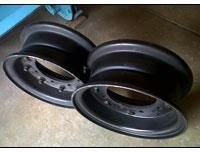
- Forklift & Industrial Wheel Rims: Heavy steel split rims, lock ring type rims, and multi-piece industrial wheel rims engineered for forklifts and material handling equipment.
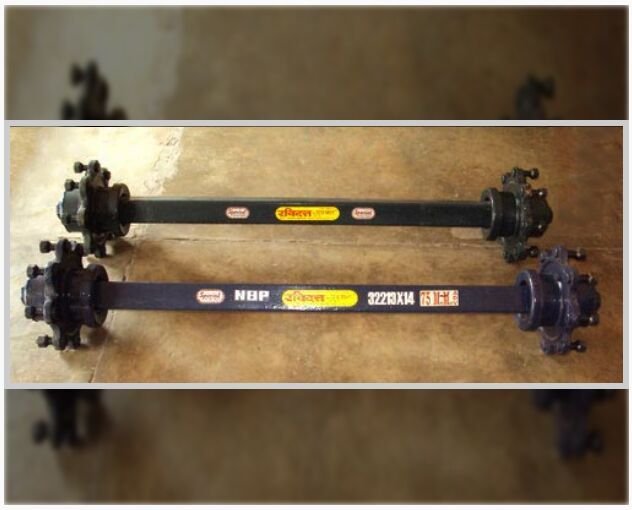
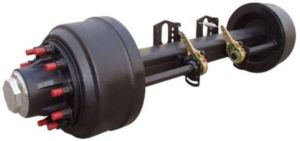
- Commercial & Agricultural Axles: Animal Driven Vehicle (ADV) axles, heavy-duty industrial tractor trailer axles, and custom machined stub axles.
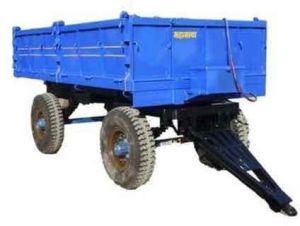
- Transport Equipment: Heavy-gauge steel Tractor Trolleys and traditional rural steel Bullock Carts built for extreme payload durability.
Initiate Your OEM Procurement Order Today
Partner with India's premier manufacturer of high-durability Agricultural Rotary Tillers, heavy axles, and precision wheel rims. Request a competitive factory-direct price quotation today.