Top Trailer Wheel Rims for Global Buyers?
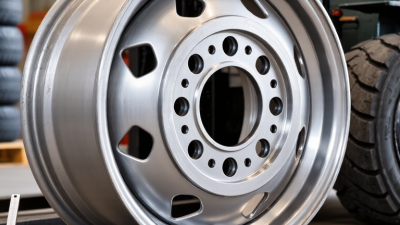
Choosing the right Trailer Wheel Rims is a safety, durability, and operating-cost decision. The rim is not merely a circular steel or aluminum component. It carries loads, manages heat, and supports the tire bead through uneven roads, tight turns, and repeated braking.
Recent industry research supports this practical view. Mordor Intelligence’s 2024 Global Trailer Market report identifies freight expansion, fleet renewal, and regional logistics growth as major market drivers. MarketsandMarkets’ Automotive Wheel Market analysis also highlights lightweight materials, corrosion resistance, and fuel-efficiency pressure. These trends matter to global buyers. A rim that saves weight may improve payload capacity, but poor fitment can create vibration, bead damage, or premature wear.
Small details matter.
Kevin Rohlwing, Chief Technical Officer at the Tire Industry Association, has stated, “The tire is the only thing connecting the vehicle to the road.” His point applies directly to Trailer Wheel Rims. The tire depends on the rim’s diameter, width, bolt pattern, offset, load rating, and surface condition. Buyers should verify these specifications against the trailer manufacturer’s documentation, the Tire and Rim Association Year Book, and applicable regional standards.
Steel rims often offer impact resistance and lower purchase cost. Aluminum rims can reduce weight and resist corrosion, but they usually require stricter torque control. This comparison is not absolute. Road salt, axle design, payload distribution, and maintenance quality can change the result.
This guide compares leading Trailer Wheel Rims for international buyers. It considers material, load capacity, finish, certification evidence, availability, warranty support, and total ownership cost. No product is perfect. The best choice depends on the trailer, route, climate, and service discipline.
Read more »

 By:Amelia
- November 3, 2026
 By:Sophie
- October 19, 2026
 By:James
- October 4, 2026