Articles, guides, and trends on steel wheel rims, industrial axles, trailer manufacturing, and agricultural equipment.
When selecting an Agricultural Rotary Tiller, making the right choice is crucial. These machines play a vital role in soil preparation, which affects crop yields. Choosing the right tiller can be overwhelming. Many options exist, each with unique features and capabilities. Understanding these details is essential for effective farming.
An effective tiller can improve soil structure and nutrient mixing. It’s important to consider the size, model, and attachments available for various farm needs. Farmers often feel unsure about how to assess these factors. Real-world experiences can illuminate common pitfalls in selecting an Agricultural Rotary Tiller. There are specific traits to prioritize for optimal performance.
Consider efficiency alongside maintenance requirements. A well-chosen tiller can save time and resources. Reflect on user reviews and expert insights as part of the selection process. This approach can enhance your confidence in making an informed decision. Selecting the right Agricultural Rotary Tiller is not just about features; it’s about fitting the right tool to your farming needs.
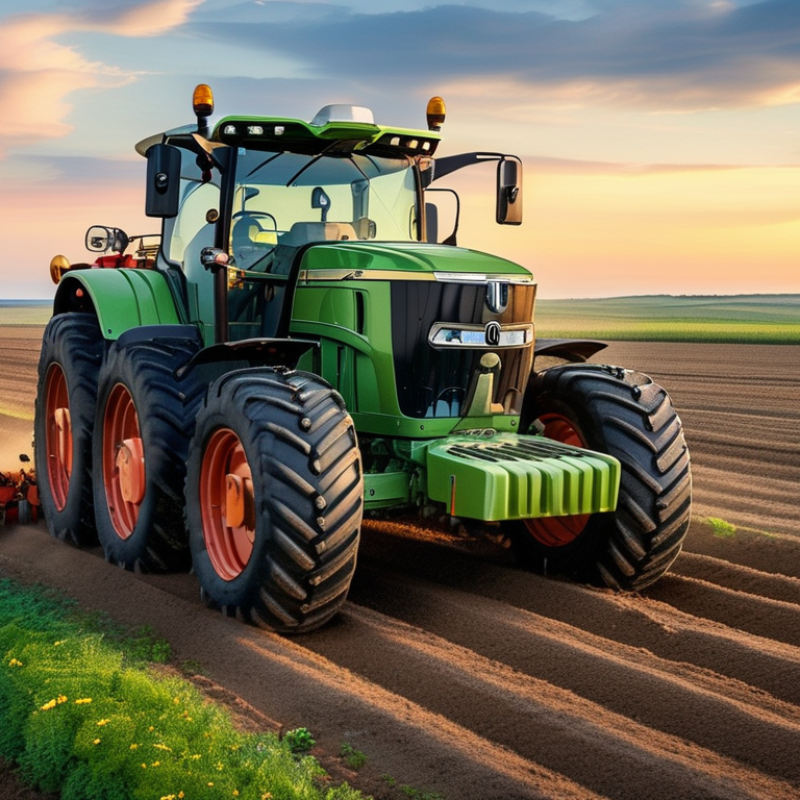
Agricultural rotary tillers play a vital role in soil preparation. They break up hard soil, making it more workable. This process enhances seed bed preparation and promotes better seed germination. Without a reliable tiller, farmers may struggle with compacted soil, resulting in poor crop yields. Understanding the purpose of a rotary tiller is essential for effective farming practices.
The benefits of using a rotary tiller go beyond surface-level tillage. A well-timed till can improve soil aeration and moisture retention. These factors contribute significantly to healthier crop growth. However, choosing the right tiller can be challenging. Many farmers often find themselves overwhelmed by options. It's crucial to reflect on your specific needs, such as the size of your land and the type of crops you grow.
Not all rotary tillers are equal, and this is where experience comes into play. Talking to fellow farmers can provide valuable insights. They may share their successes and failures with different models. It's important to consider how each tiller has performed under various conditions. Your choice should not only align with your immediate needs but also consider long-term sustainability.
Assessing the soil type and conditions is crucial in selecting the right agricultural rotary tiller. Different soil types respond uniquely to tilling, affecting soil health and crop yield.
For sandy soils, a lightweight tiller can effectively break up clumps. In contrast, clay soils require a sturdier machine with more power to penetrate dense soil.
Beyond soil type, moisture content plays an important role. Wet soil can cause excessive clumping and compaction.
A tiller with adjustable depth can help in such conditions, ensuring effective mixing without damaging the soil structure.
Consider the tiller’s tine design as well. Curved tines work best in loose soil, while straight tines are more effective in harder ground.
Evaluate your land regularly to see how it changes with seasons. Conditions can shift, sometimes unexpectedly, which may require you to rethink your tiller choice.
Understanding your specific needs and being adaptable will enhance your farming success.
When selecting an agricultural rotary tiller, understanding sizes and power requirements is crucial. Tiller sizes vary significantly. Small tillers can handle gardens or small plots, while larger models are necessary for extensive fields. A study by the American Society of Agricultural and Biological Engineers highlights that tilling depth significantly affects soil health. The right size can improve aeration and nutrient mixing.
Power is another important factor. Generally, tillers will require between 3 to 7 horsepower for residential use and 15 to 25 horsepower for commercial applications. The USDA reports that optimal power settings can enhance performance. It’s vital to match tiller power to the soil conditions. Heavy, compacted soils may need more power for effective tilling. However, too much power can damage soil structure, leading to challenges down the road.
Farmers often overlook maintenance needs linked to tiller power. A robust machine may seem appealing, but regular upkeep can become burdensome. It's essential to balance power with user-friendliness. Many users report that smaller tillers often require less maintenance. Assessing these factors can lead to better decisions in choosing the right tiller for specific needs.
The following chart illustrates the recommended power requirements and suitable tiller sizes for different types of soil conditions. This can guide farmers in selecting the appropriate rotary tiller for their agricultural needs.
When selecting an agricultural rotary tiller, understanding the features and attachments is crucial. High-quality blades are essential for efficient soil preparation. A wider tilling width can save you time, but it may not suit all soil types. Look for adjustable settings that allow you to customize depth based on your specific requirements. This flexibility can significantly impact tilling effectiveness.
Consider the attachment options available for the rotary tiller. Some models offer additional features like seeders or ridgers, enhancing versatility. However, they can add complexity that may not work for every farmer. Simpler configurations might be more reliable for small-scale operations. Remember that maintaining attachments is just as important as their initial selection. Neglect can lead to poor performance and time-consuming repairs.
Also, assess the ease of use and assembly. Some tillers are more user-friendly than others. Reflect on how often you will need to change attachments. Frequent adjustments can hinder efficiency, especially during the busy seasons. Balancing performance with practicality will ensure that your tiller works best for your unique farming situation.
When selecting an agricultural rotary tiller, budget plays a crucial role. The average price range for quality tillers varies from $1,000 to $5,000. A budget below $1,000 may limit your options significantly. Quality could be sacrificed as many low-cost models use inferior materials. Reports indicate that farmers who invest in higher-priced tillers often experience better durability and efficiency.
Brand reputation also significantly impacts purchasing decisions. A survey by the Agricultural Equipment Manufacturers Association shows that 75% of farmers trust established brands more than newer entrants. Reliability and performance ratings from industry experts can guide your choices. Gathering feedback from experienced users is vital. Their insights can reveal trends in maintenance needs and operational efficiency.
Understanding the balance between budget and brand reliability can be complex. A well-regarded brand's products may cost more but can save costs over time through reduced repairs. It's essential to align your needs with the capabilities of the tiller. Investing time in researching different models, including user reviews and expert recommendations, ensures a more satisfying purchase. Ultimately, the decision should reflect practical requirements and long-term expectations.
: Different soils require specific tillers. Light tillers suit sandy soil, while clay needs more robust options.
Wet soil clumps easily. A tiller with adjustable depth helps mix while protecting soil structure.
Small tillers work for gardens, but larger ones are needed for extensive fields. Size affects aeration and nutrient mixing.
Residential tillers need 3 to 7 horsepower. Commercial versions require 15 to 25 horsepower, depending on soil conditions.
Yes, excessive power can damage soil structure. Match power with soil type for effective tilling.
Look for high-quality blades and adjustable depth settings. Wider tilling widths save time, but may not suit all soils.
Attachments can enhance versatility but add complexity. Simpler options may be better for small operations.
Regular maintenance is crucial. Neglecting upkeep can lead to poor performance and costly repairs.
Consider the ease of use and frequency of changes. Complex setups can hinder efficiency during busy seasons.
Balance performance with ease of use. Adapting to your specific needs enhances overall tilling success.
When choosing an Agricultural Rotary Tiller, it's essential to understand its purpose and the benefits it offers for soil cultivation. Factors such as soil type and conditions play a critical role in determining the most suitable tiller. Additionally, evaluating the different sizes and power requirements helps ensure efficient operation.
Features and attachments can significantly enhance tillage performance, allowing for better soil preparation. Lastly, considering your budget alongside the reputation of the brands will lead to a well-informed purchasing decision, ensuring you select an Agricultural Rotary Tiller that meets both your needs and expectations for effective agricultural practices.