Articles, guides, and trends on steel wheel rims, industrial axles, trailer manufacturing, and agricultural equipment.
As the agricultural industry evolves, the demand for efficient tools grows. In 2026, Tractor Rotavators will play a crucial role in modern farming. These machines enhance soil preparation, ensuring better crop yields. According to a recent market analysis by Agritech Insights, the global Tractor Rotavator market is projected to grow by 15% annually.
Expert James Porter, a well-known authority in agricultural machinery, stated, “The right Tractor Rotavator can transform farming landscapes.” His insights emphasize the importance of selecting models that offer durability and versatility. Farmers must consider various features, including horsepower, width, and operational depth.
However, not all Tractor Rotavators are created equal. Some models fail to meet specific soil conditions or crop types. It’s essential for farmers to analyze their unique needs carefully. With proper research, they can identify the most suitable options for their operations. Hence, understanding the upcoming trends in the Tractor Rotavator market is critical for success in the agricultural sector.
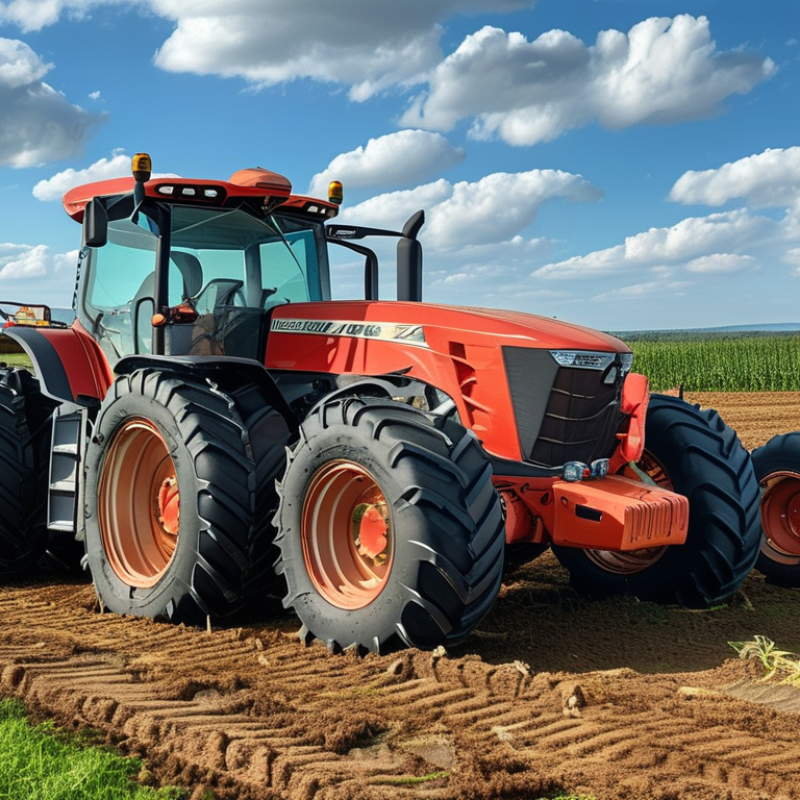
As we move toward 2026, the agricultural sector is witnessing exciting innovations in tractor rotavators. One emerging trend is the integration of smart technology. These rotavators are expected to feature sensors that monitor soil conditions in real-time. This capability allows farmers to optimize soil preparation based on specific needs. With this smart integration, efficiency and productivity could see significant improvement in the coming years.
Another trend to consider is the emphasis on sustainability. Manufacturers are exploring eco-friendly materials and designs. Rotavators are becoming lighter with improved aerodynamics. This shift enhances fuel efficiency and reduces carbon footprints. However, as these innovations evolve, challenges may arise. For instance, adapting traditional farming practices to new technologies may require additional training and investment.
User-friendliness remains a crucial aspect of future designs. Innovations should balance advanced features with ease of use. Farmers should not feel overwhelmed by technology. Effective training programs must accompany new equipment to ensure smooth transitions. It's essential to keep the human element in farming, even as technology evolves. The future of rotavators promises significant advancements, but careful implementation is necessary for true progress.
When selecting a rotavator model for 2026, consider key features that enhance performance. First, look for the tilling depth capacity. A model that can adjust its depth offers versatility. This allows for various soil types, ensuring effective cultivation. Ease of use is also critical. A user-friendly interface can make operations smoother. Intuitive controls reduce the learning curve for new users.
Another vital aspect is the durability of materials. Quality construction ensures longevity, even under heavy use. Check for rust-resistant components. These materials can withstand harsh weather conditions and extend the lifespan of your equipment. Pay attention to the weight of the rotavator. A model that balances weight and maneuverability enables better handling across different terrains.
Noise levels can be an overlooked feature. A quieter model not only protects hearing but also promotes a better working environment. It is often a challenge to find a rotavator that thrives in all conditions. Some models may struggle in wet soils or compacted terrains. Be sure to research user reviews. Real-world experiences offer insight that specs alone cannot provide.
| Model | Power Requirement (HP) | Working Width (cm) | Weight (kg) | Number of Blades | Features |
|---|---|---|---|---|---|
| Model A | 50 | 150 | 400 | 8 | Adjustable depth control, Durable steel blades |
| Model B | 60 | 180 | 450 | 9 | Quick hitch system, High-performance tilling |
| Model C | 70 | 200 | 500 | 10 | Foldable design, Versatile usage |
| Model D | 80 | 220 | 600 | 12 | Enhanced durability, Easy maintenance |
| Model E | 90 | 240 | 650 | 14 | Hydraulic adjustment, High efficiency |
In the competitive world of tractor rotavators, choosing the right model is crucial. Several leading brands offer features that cater to different agricultural needs. Understanding these options can help farmers maximize efficiency and productivity. For instance, some rotavators focus on soil aeration, while others excel at incorporating organic matter. This factor can significantly influence crop yield.
Analyzing these brands reveals distinct strengths and weaknesses. One brand may offer superior durability, while another provides advanced technology for precision farming. However, with innovation come potential pitfalls. Some models may have a steeper learning curve, making them less accessible for new users. Likewise, efficiency often comes at a cost, and budget constraints cannot be ignored.
User feedback highlights the importance of maintenance and support. Some rotavators require specialized servicing, leading to increased downtime. Meanwhile, ease of use remains a common request among users. A balance between advanced features and user-friendliness is essential. Farmers should thoroughly evaluate their specific needs and the available options to make informed decisions.
As we move towards 2026, the market for tractor rotavators is evolving. Users are increasingly keen to share their experiences. Many have noted that performance often varies significantly based on the model. Some units excel in creating fine tilth, while others struggle with tougher soil types. This feedback is crucial for potential buyers who want reliable performance.
User reviews highlight several essential factors. Ease of operation is frequently mentioned as a top priority. Many operators appreciate models that are intuitive and require minimal adjustments. Some machines, however, come with steep learning curves. Maintenance requirements also feature prominently in reviews. Operators express concerns about components that wear out too quickly, which can lead to frustrating downtimes.
Performance ratings reveal a mixed bag. While some models achieve high marks for fuel efficiency, others do not meet expectations. Certain users note that heavier rotavators can be cumbersome on smaller plots. These insights reveal the importance of choosing the right model for specific tasks. Such reflections can guide potential buyers in making informed decisions.
The future of tractor rotavator technology holds exciting prospects. As farming demands evolve, innovations will push equipment to become more efficient and user-friendly. One focus is on automation. When combined with AI, rotavators can work with minimal human intervention. This makes operations safer and more precise, though challenges remain in ensuring reliability under diverse conditions.
Another area of development includes energy efficiency. Many new models aim to reduce fuel consumption while maximizing output. These advancements may come in the form of hybrid systems or improved engine designs. Adopting these technologies could lower operational costs significantly. However, farmers must weigh initial investment against long-term savings carefully.
Consider the ease of use in modern designs as well. With intuitive controls and real-time data monitoring, operators can manage fields more effectively. Yet, it’s essential to provide proper training to maximize these features. Equipment that simplifies tasks can be a double-edged sword, leading to over-reliance.
As these innovations roll out, farmers would benefit from staying informed about new developments. Engaging in local farming communities can foster support and share experiences. Being proactive about learning may provide insights on how best to adopt these advances in practical settings.
: Smart technology integration is a big trend. Sensors will monitor soil conditions in real-time.
It optimizes soil preparation based on specific needs. This can improve efficiency and productivity significantly.
Manufacturers are using eco-friendly materials and designing lighter machines. This enhances fuel efficiency and reduces carbon footprints.
Adapting traditional practices to these innovations may need extra training and investment. This could be complex for some farmers.
Innovations must balance advanced features with ease of use. Farmers shouldn’t feel overwhelmed by technology.
Experiences vary by model. Some rotavators excel in fine tilth, while others struggle with tough soil.
Operators are concerned about components that wear out too quickly. This can lead to frustrating downtimes.
Some models score high on fuel efficiency, while others fall short. Choosing the right model is crucial.
They consider ease of operation and maintenance needs. These reflections can guide better purchasing decisions.
Effective training programs are essential. They help ensure smooth transitions to new technologies in farming.
As we look ahead to 2026, the landscape of Tractor Rotavators is evolving, showcasing emerging trends that promise to enhance agricultural efficiency. Key features to consider include advanced soil-tilering capabilities, enhanced durability, and ergonomic designs aimed at improving user experience. Comparative analyses of leading models reveal distinct advantages in performance, offering insights into user preferences and operational ratings that can guide potential buyers.
Moreover, the future of Tractor Rotavator technology is set to embrace innovations that focus on sustainability and precision farming. As the industry moves towards more automated solutions, understanding these trends and innovations will be crucial for farmers looking to invest in top-performing models in the years to come. This comprehensive examination highlights the importance of staying informed about advancements in Tractor Rotavators to make optimal purchasing decisions.